
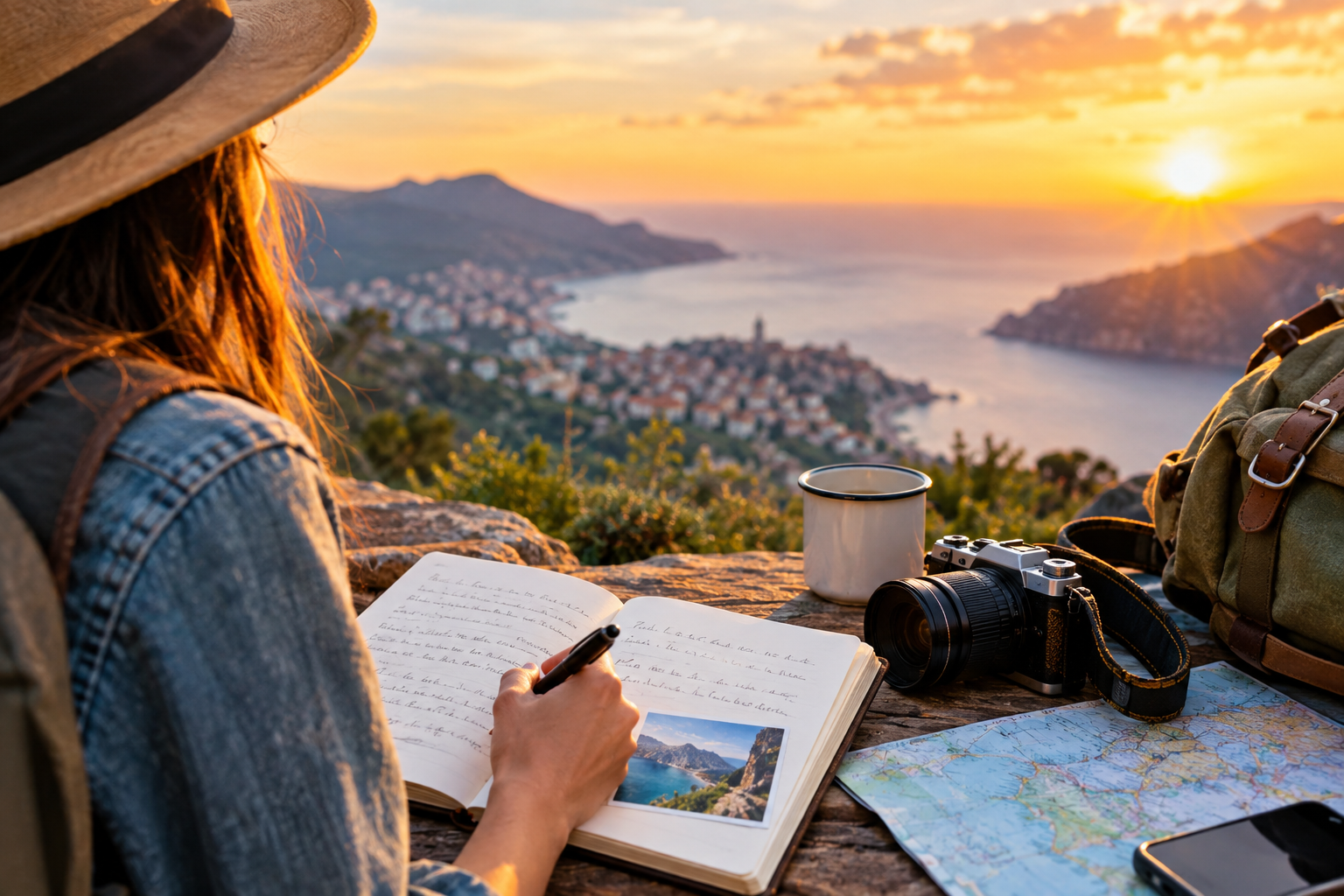
A good travel story can take readers beyond a list of sights and make them feel the mood of a place: the quiet of a seaside morning, the buzz of a night market, or the small surprise that turns an ordinary day into a lasting memory. For a website about entertainment, places, and travelling, these details matter. They help readers imagine a destination and decide what kind of experience they want to have there. If you are thinking about sharing a story with a new audience, thoughtful guest posting can be a useful way to contribute something fresh while introducing readers to a place or idea they may not have considered.
Begin With an Experience, Not a List
Travel writing often becomes more engaging when it starts with a specific moment. Instead of opening with a rundown of every attraction in a town, focus on one scene: arriving just before sunset, hearing live music drift from a small venue, or finding a family-run café after a long walk. A clear opening gives the reader something to picture and creates a natural path into the broader story.
That does not mean leaving practical information out. Readers still want to know where a place is, when it is best to visit, what activities are available, and how to make the day work. The key is to weave those details into the experience rather than presenting them as an unrelated checklist. A story about an evening performance, for example, can include advice about arriving early, nearby places to eat, and whether the venue suits children.
Choose a Helpful Angle
A destination can support many different stories, so decide what the article is really about before you begin. Is it a romantic weekend shaped around scenic walks and quiet dinners? A family outing with activities for different ages? A cultural visit built around galleries, local music, or a seasonal festival? A focused angle helps readers understand whether the advice applies to them.
Try to make the angle specific enough to guide your research. “Things to do in a coastal town” is broad, while “how to plan a relaxed weekend by the coast without spending every hour in the car” gives the piece a clear purpose. Specificity also helps you avoid repeating the same familiar descriptions that appear in many travel articles.
Research the Details Before You Recommend Them
Useful travel advice depends on reliable details. Check opening hours, seasonal schedules, transport options, accessibility information, and any restrictions that may affect a visit. These facts can change, so do not rely solely on an old article or a memory from a previous trip. When a detail is uncertain, say so or leave it out rather than presenting a guess as guidance.
It is also worth considering how a place feels at different times. A popular beach may be peaceful early in the morning and crowded later in the day. A festival can transform a town but affect parking and accommodation. Mentioning these practical realities helps readers plan with realistic expectations and makes the story more trustworthy.
Bring Local Character Into the Story
Places are shaped by people as much as by scenery. A conversation with a local artist, a shopkeeper’s recommendation, or a detail about a regional tradition can add texture that a standard attraction list cannot. Be respectful when describing local communities: avoid treating residents as part of the scenery, and do not make broad claims about a culture based on one encounter.
Small observations can be just as effective as interviews. Note the kinds of food served at a market, the music heard in a neighbourhood, or how a public space is used in the evening. These details help readers understand the character of a destination without overstating what one visit can reveal.
Make the Writing Easy to Follow
Keep paragraphs focused, use headings to guide readers, and put the most useful information where people can find it quickly. A simple structure might move from the experience that inspired the story to what to see, how to plan the visit, and what to keep in mind. If you include several recommendations, explain why each one belongs rather than stacking names without context.
Editing is an important part of the process. Read the draft aloud to catch awkward phrasing, repeated points, and sentences that carry too many ideas. Check place names and spellings, and make sure the introduction sets up what the article actually delivers. A vivid description is welcome, but it should clarify the experience rather than obscure basic facts.
Use Tools to Support the Work
Planning an article can involve more than writing: photographs may need editing, short video may need captions, and research notes may need organising. Freelance marketplaces can help when a project calls for a skill beyond your own. For example, Osdire connects buyers with freelancers across more than 900 categories, including writing and translation, photography, video and animation, design, and marketing. Its flat pricing has no hidden fees, and the buyer’s payment is held securely while an order is underway and released after the delivered work is approved. As with any service, it helps to define the task clearly and agree on the expected deliverables before work begins.
Leave Readers With Something They Can Use
The strongest travel stories balance atmosphere with practical value. They give readers a reason to care about a destination, but also help them decide how to experience it for themselves. A few well-chosen details, honest advice, and a clear point of view can make an article memorable without turning it into a sales pitch. Whether the subject is a concert, a historic neighbourhood, or a weekend away with someone you love, write with curiosity and respect. Readers are more likely to remember a place when the story helps them picture not just what is there, but what it might feel like to be there.


