
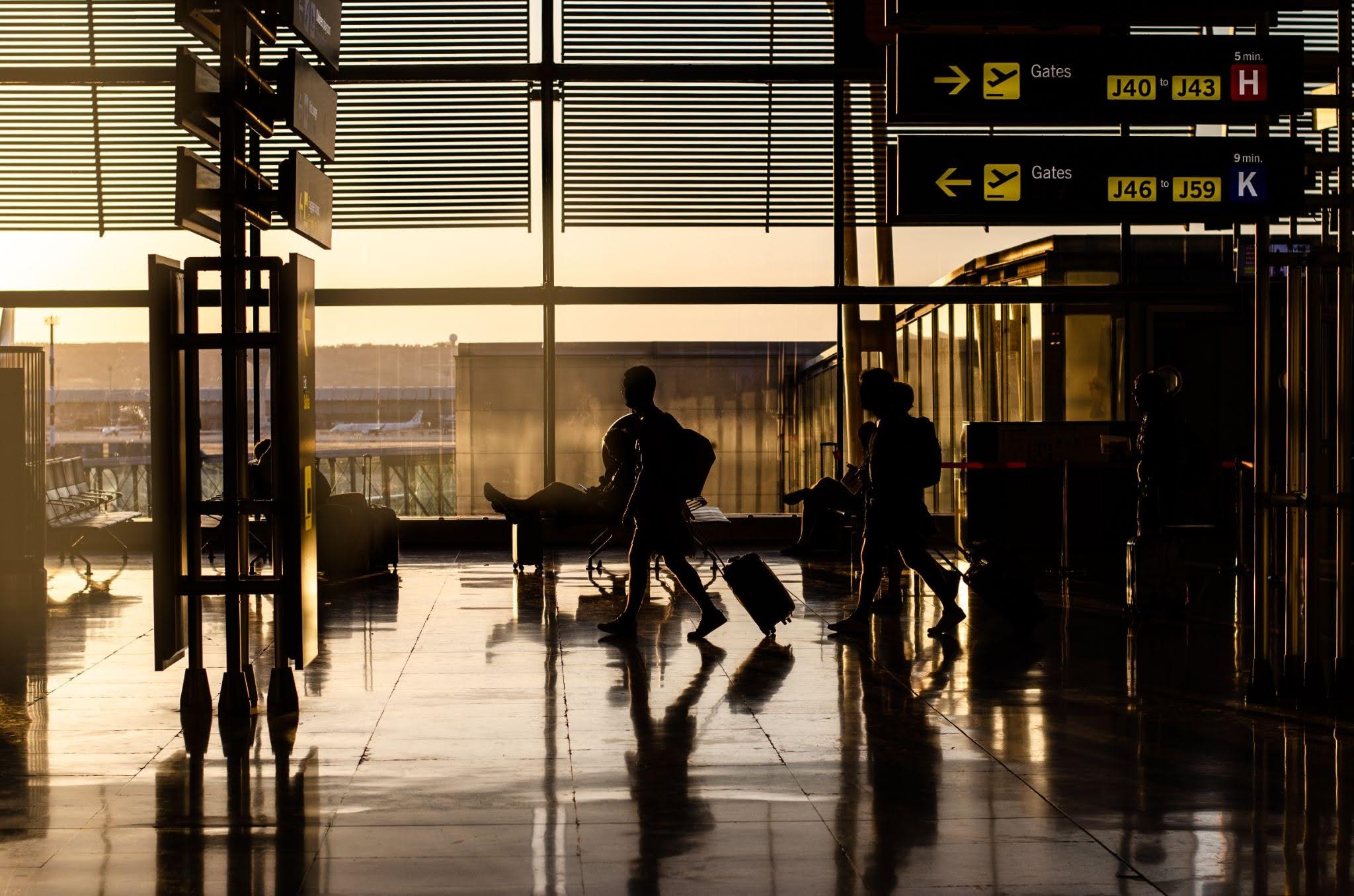
Airports are some of the busiest environments. There is always movement, ground operations, and equipment that can make a lot of noise. This noise can affect airport employees, nearby communities, and passengers.
Noise mitigation is helpful to reduce these effects. It also supports safer and more comfortable working conditions. Let’s learn the benefits of noise mitigation for airport facilities.
Improving Working Conditions for Airport Staff
Employees at airports usually work very close to aircraft and service vehicles. They are exposed to high levels of noise on a daily basis, which can make communication difficult and cause discomfort. This is why reducing noise is important to improve their working conditions.
Noise mitigation solutions can include sound barriers, designated work areas, and hearing protection. Airports can also create procedures that limit the time employees spend in noisy areas. These measures are great to support better working conditions.
Managing Jet Blast and Associated Noise
Jet blast occurs when powerful exhaust from an aircraft engine moves behind the aircraft at a high speed. This can affect nearby people, vehicles, and even structures. Depending on the situation, engine operation can produce intense noise that requires careful management.
To deal with this, acoustical jbd solutions can be great. They combine the purpose of jet blast deflectors with noise control. These systems can reduce noise when reaching selected areas. However, their effectiveness depends on the materials, installation, and surrounding environment.
Supporting Nearby Communities
If airports are near residential neighborhoods, they can affect the daily lives of people who live there. Engine testing, aircraft movements, and ground operations can create noise that can disturb their lives. This noise can interrupt conversations, reduce the enjoyment of outdoor spaces, and also disturb sleep.
This is why noise mitigation is important because it allows airports to reduce this noise through noise monitoring, operational planning, and properly designed barriers. Airport management should also talk to local residents to have a clear idea of what they can do to control noise levels.
Reducing Noise During Ground Operations
Aircraft ground operations involve a lot of activities that create high noise levels. Engine testing, aircraft movement, and the use of equipment can create discomfort for workers and nearby facilities.
Airports can reduce unnecessary noise by reviewing where and when certain activities take place. They can use quieter equipment and physical barriers. These simple steps can improve working conditions for staff and provide comfort to the nearby communities.
Enhancing Passenger Comfort
High levels of noise can significantly affect the experience of passengers, whether they are in terminals, waiting areas, or lounges. It can be harder to understand what announcements say with constant background noise. This is why a more controlled acoustic environment can make these spaces more comfortable.
Airports can separate noisy areas from passenger spaces to limit unwanted sounds. With the proper steps, passengers can easily understand boarding and delay announcements.
Supporting Safety and Operational Efficiency
Noise control is not only about comfort. High noise levels can interfere with communication and make it harder for employees to hear warning signals. When this noise is reduced, employees can remain aware of their surroundings and communicate properly.
Noise mitigation should be an important part of an airport safety plan. While it cannot replace protective measures, it can certainly create a manageable working environment.