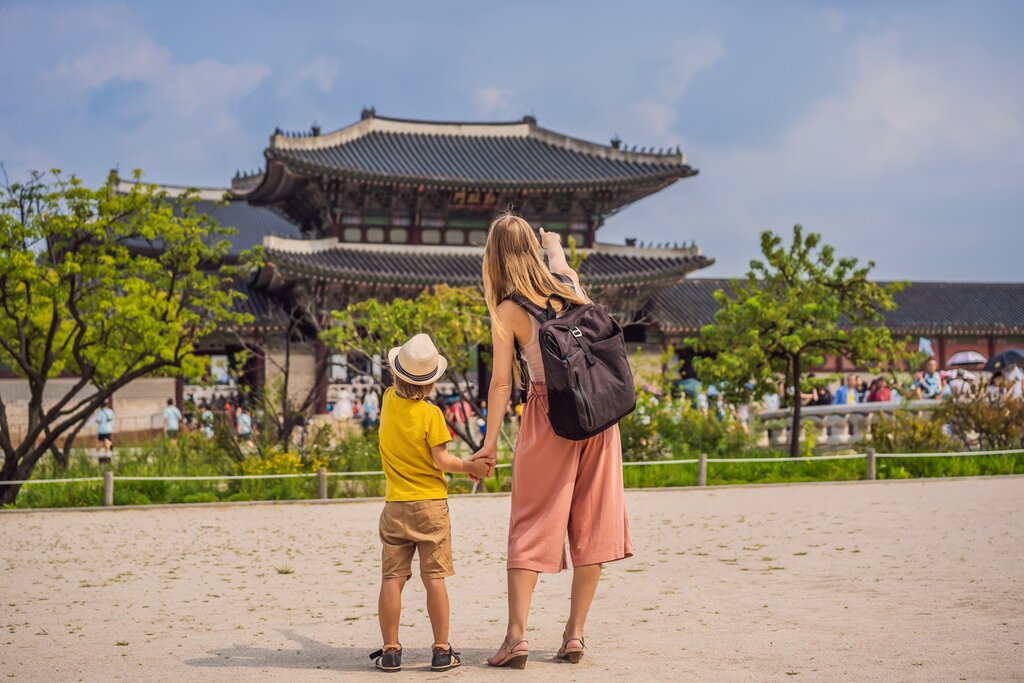

No other holiday is as anticipated as a family vacation. Travelling does not only mean the places you will see with the family, but rather the experiences that you will all share, the memories that will be shared and recounted at family dinners long after you return home. The city of Gatlinburg, Tennessee, in the Great Smoky Mountains, is the ideal setting for such memorable family experiences. Known as a spectacular natural beauty, Gatlinburg is a place that offers an array of outdoor activities that the family can go through together, and this includes hiking and viewing wildlife in the nearby famous Great Smoky Mountains National Park.
But every person who has ever gone on a trip with family understands that it is not always smooth sailing. It takes a thin line between organization and adaptation by satisfying all needs and, at the same time, making the trip fun and unforgettable. It is with this that Gatlinburg has something to offer in the form of attractions that cater to all ages. Choosing a place as a second home, or wrapping those necessary things that bring sanity in a long trip, each detail is a key to the success of the trip.
Then here is the journey that we should share, and the next family holiday will not only be a vacation but also a memory for the whole family. Gatlinburg is a place where every moment spent together is a treasure that strengthens the connections that make family vacations so unique.
1. Selecting the Best Accommodation
As much as what you do is important when it comes to planning a family trip, where you stay is equally important. The correct accommodation predetermines the whole holiday. As an example, such a place as Stony Brook Lodging is not only a place to sleep, but a comfortable foundation where your family can rest and re-energize.
Think about your family and what is important. Do you require a kitchen to cook food for picky eaters or additional space for active toddlers? Things like swimming pools, playgrounds, and accessibility to attractions can make a great difference as well. The idea is to keep in mind that it is to get a place that is a home away from home.
2. Packing Smart
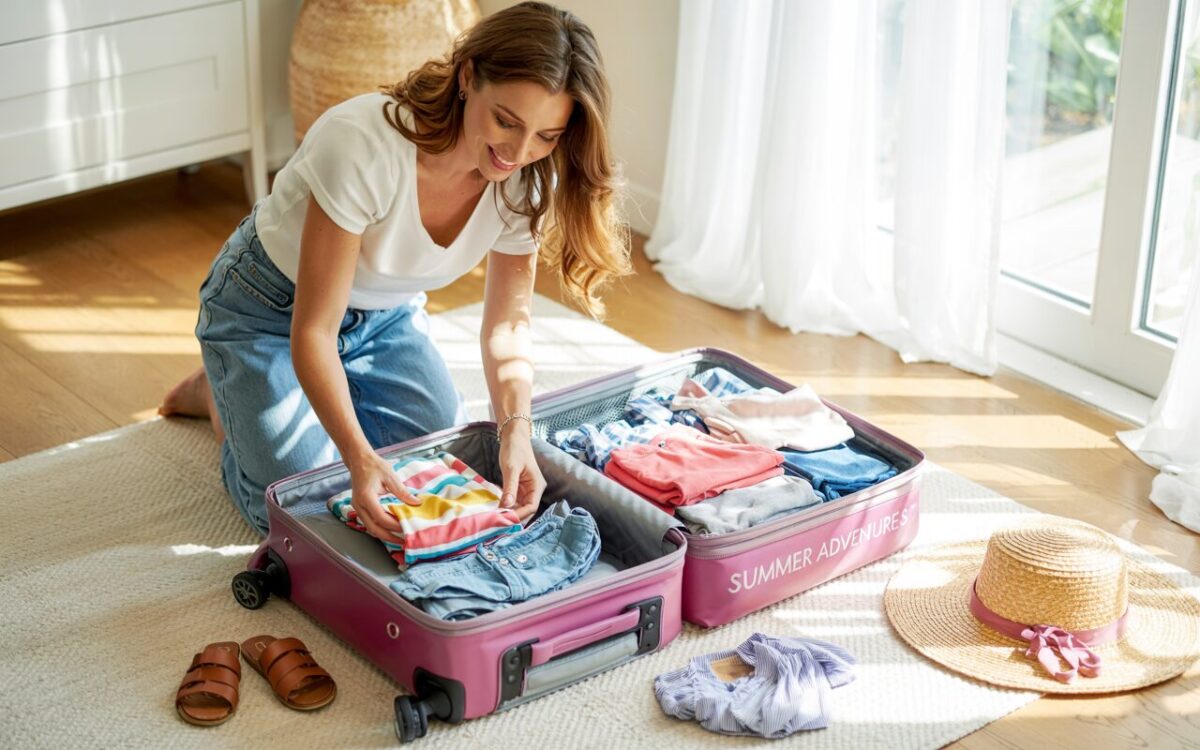
Preparation for a family trip is not only about placing the garments into a suitcase. It is the ability to be ready for any situation but not to overpack. Start with a list. Bring clothes, toiletries, and necessities such as a charger, first-aid kits, and snacks. In the case of young children, forgetting their favorite toy or blanket is not possible; these little things can save their lives.
Also, pack smart. Roll clothes so as to save space and pack using packing cubes to keep everything organized. Look at the weather at the place you are going to and carry a backup of clothes in case of any accident or in case of a weather change.
3. Planning Your Itinerary
A family trip itinerary must be in the right balance between activities and rest. The urge to schedule your days with sightseeing is quite tempting; however, keep in mind that children may become tired faster. Combine relaxing things, such as a day on the beach or a relaxing visit to a park. This allows everybody an opportunity to relax.
Flexibility is key. In children, anything can happen at any moment: a tantrum, an urgent need to sleep. Be ready to change your plans. There are occasions when a spontaneous day is the most unforgettable. You need not be so strict; you should leave your trip to unravel itself, and enjoy yourself and all the others.
4. Entertaining and Keeping Kids Busy
Traveling long distances may be a challenge when traveling with children. It is very important to keep them entertained in order to have a peaceful journey. So pack a combination of activities -books, games, downloadable movies, or applications can be saviors. Do not undervalue the effectiveness of such games as I Spy or travel bingo.
Involve them in the travelling process. Allow them to participate in the selection of activities or organize a day. This will not only keep them interested, but it will also make them feel important to the trip. It is important to remember that a bored child is a cranky traveler; variety and engagement are key to a smooth ride.
5. Dining Out with Kids
Eating out with children can be uneventful in itself. Restaurants with a younger palate should be located when one is traveling. Search areas that have a child-friendly menu that is diverse enough. By doing so, you will be able to make sure that your children will enjoy the foods, and you will not have to go through the hassle of fighting at mealtime.
Always ensure that there are family-friendly facilities such as booster seats, high chairs, and activities or play areas. These may help to make the dining more comfortable for you, as well as your children. There is no need to be afraid of asking someone living in the neighborhood or hotel employees to give you suggestions; they will usually have recommendations for the best places where families will fit.
6. Handling Travel Budgets of a Larger Group
A family trip is likely to be on a more limited budget. Budget your trip and plan. While seeking accommodations and activities, seek family discounts or packages. Dining out at all meals is an expensive affair, and to consider, one can afford to stay somewhere with a kitchen so that they can make some of their meals.
Prioritization of activities is also useful. Choose some of the must-do activities and research more affordable or free activities to do on different days. It does not have to be such a huge budget to leave lasting memories. Even the most basic things such as a picnic in the park, can be the best.
7. Learning to Have Fun: Education of Travel
Education can add flavor to your family trip and leave your children with a lot of knowledge and memories. This is the way you can make learning a fun experience:
Tour Historical Sites and Museums: Select places with good history and museums. Teach your children about the importance of these places in an entertaining and interesting manner.
Nature Exploration: In the event you are close to a natural reserve, forest, or beach, use the opportunity to educate your children on the various ecosystems, wildlife, and the need to conserve them.
Local Culture Immersion: You should make your children learn some words of the local language, eat local foods, and even engage in local traditions. This brings the appreciation and respect of different cultures.
Interactive Experiences: Seek out the interactive experiences such as workshops, guided tours, or child-specific educational programs. Such exercises can be entertaining and educational.
Scavenger Hunts: Compose a scavenger hunt with specific local landmarks, local flora and fauna, or local historical information. This makes children active and alert to the environment.
Travel Journal: Have your children make a travel journal. They are able to write about their experiences, draw what they observe, or attach souvenirs such as ticket stubs and postcards. This not only solidifies their learning but also acts as a souvenir.
You are making the process of travelling an even more enriching experience by making education a fun event in the trip of your children. They will not simply visit new places; they will learn and gain knowledge and curiosity about the world.
Conclusion
Family travel is a life experience and a priceless memory. With the appropriate accommodation, smart packing, balanced itinerary planning, making sure the kids have fun, visiting kid-friendly restaurants, spending your budget, making safety and health a priority, getting around through transportation, and making sure to educate the kids, you will have made sure that everyone will have an enjoyable and stress-free vacation. These tips will help to make your family travel not only a journey but a beautiful learning experience full of laughter and love.