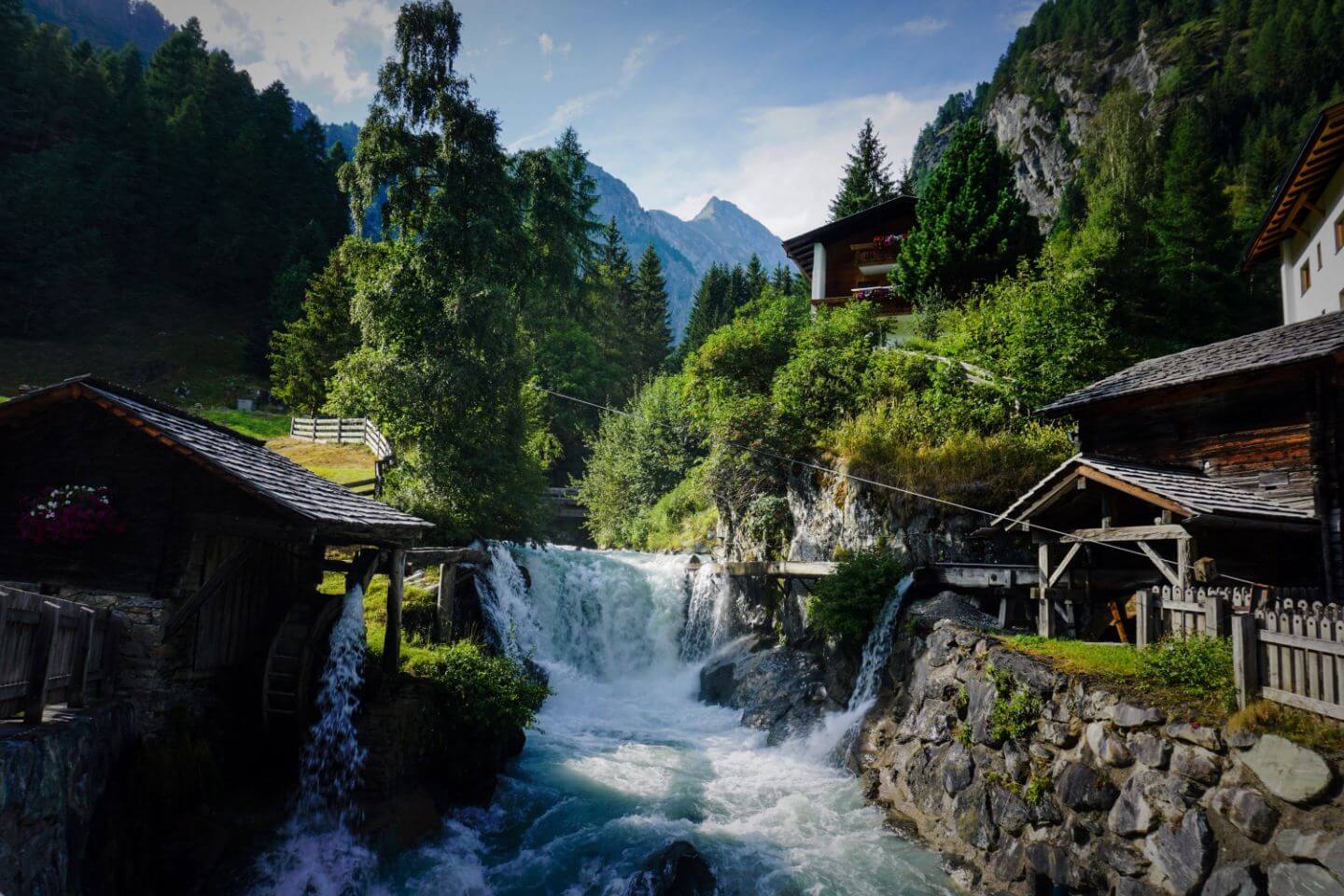
Picture this. In Vienna, you take the train. Modern galleries are overshadowed by palaces of gold. Within an hour or so, it is riding all over the Danube wine country. In the morning, ng you have an alpine lake in a transparent state, with houses of a candy color. Austria is crowded with Habsburg loveliness and jagged scenes and scenery of tales into as scanty-looking a piece of ground as Maine. And, trains serve to connect nearly everything.
The numbers speak it all: Austria is leading the pack in European tourism in 2023, overtaking Portugal, Poland, Switzerland, Albania, Sweden, Ireland, and Cyprus by almost thirty million international travelers. You want to save every Vienna palace and every perspective of the Hallstatt, att but first we need to deconstruct these patterns of travel and these regions of Austria so that we can build an itinerary that is, based on your needs, not an arbitrary bucket list.
Austria First-Visit Planning Essentials (Fast Planning Essentials)
Think of Austria as having four different quarters: the imperial East (Vienna and the Danube line, nd the heart of culture (Salzburg and the celebrated lakes), the Alpine West (Tyrol and Innsbruck), and the unknown South (Styria and Carinthia). Most first-time visitors choose between three directions: the urban and traditional (Vienna and Salzburg,d the lakes and Hamlets (Hallstatt and Wolfgangsee), or the mountains and activities (Innsbruck and Zell am See). Plan three full days in Vienna, two nights in Salzburg, nd two nights in Innsbruck, and one or two days around the lakes. In the mid-end prices are 80-120 euros per day, including food, sleeping, and transportation. Austria is regularly cited as the most secure nation in Europe, and there are child-friendly amenities everywhere around the globe. In 2023, Tyrol in itself attracted almost 11 million tourists. By comparison, Salzburg and Vienna each attracted approximately six million people, which shows that these territories serve as points of routes to visit for the first time.
It is worth keeping moving: the mobile internet has the potential to change the way you travel. It is the strength behind OBB rail, the OBB rail app, which offers live train information, Google Maps to those underground tunnels, and even downloadable instant tickets and menu translations in case German takes you by surprise with a curveball. Now, smart travellers are researching the most appropriate eSIM to use in Austria before departure, and activating it before departure, to circumvent queues in airport SIM kiosk queues, and be operational the moment the wheels are attached. This will prove invaluable in locating the subway in Vienna or last-minute time slots at Schonbrunn. Armed with your style map and a sketch of your schedule, we will start with where 9 out of 10 travelers (and nearly all international aircraft) land, Vienna, the imperial anchor of Austria, and the starting point of a carefully thought-out travel program.
Imperial Capital Viennaisd the top destination in any Austrian tourism brochure
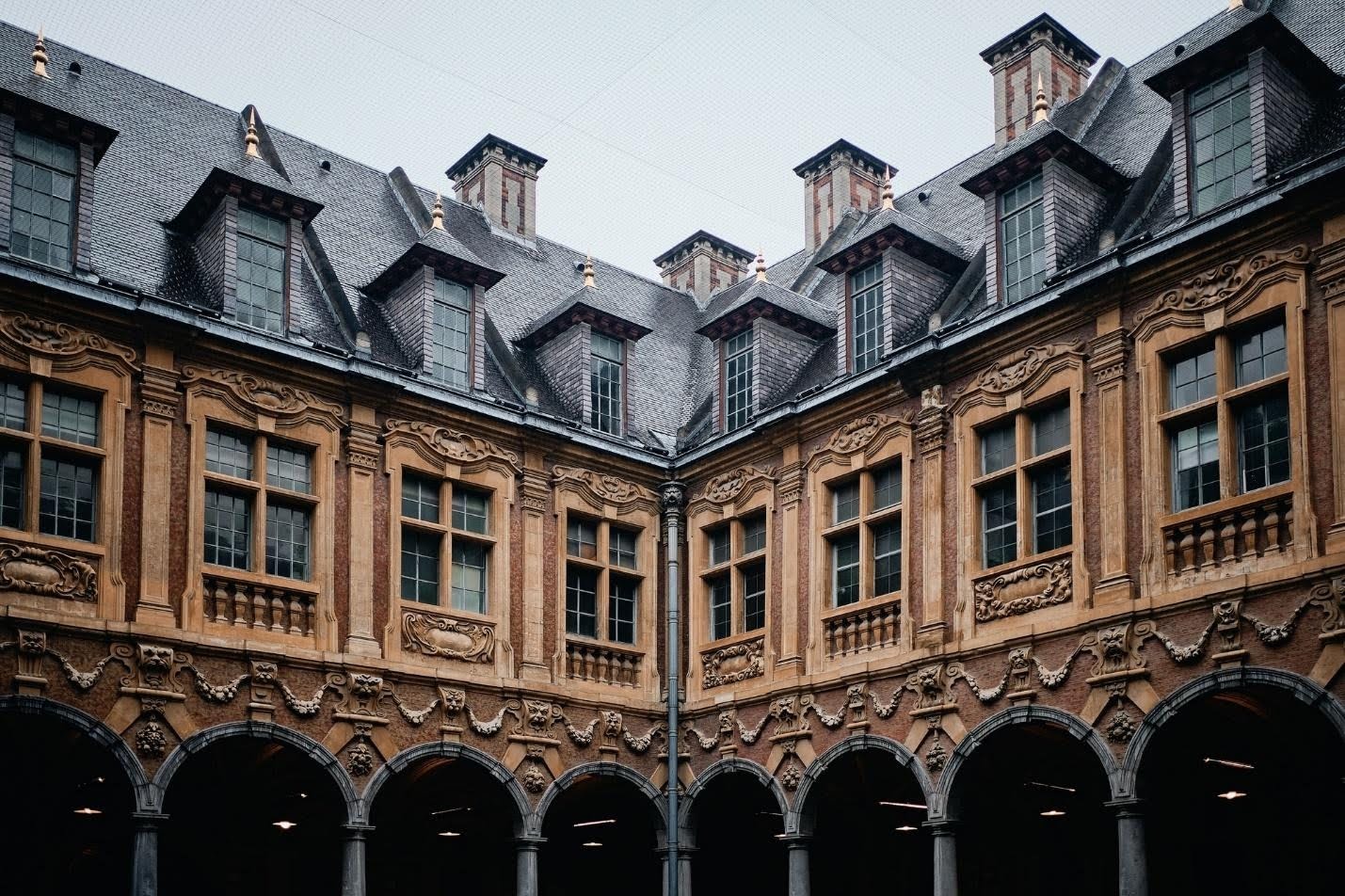
Vienna incorporates Baroque extravagance with modernity.y Most of the best tourist sites in Austria are located along the Ringstrasse boulevard. Start at the Schonbrunn Palace, stake out an early 9:00 a.m. time slot to avoid tour groups, then wander through the chambers of the Grand Tour, and then head off on a hike to Gloriette to watch the sunrise in the city. The gardens are free all day long, and it is an excellent spot to spend time in during afternoon walks.
Hofburg Complex and St. Stephen’s Cathedral
The Hofburg combines all the Sisi Museum, Imperial Apartments, and Spanish Riding School into one effective half-day tour. It is scheduled to arrive on time for morning workouts (so much cheaper than evening events).
The Altstadt is anchored to the St. Stephen Cathedral. Climb the South Tower to the rooftop and have a panorama of the city.s Take a road less traveled and go up the building to the Graben or Kohlmarkt. Cafe Central is a tourist hot spot where tourists are rushing to; instead, locals are choosing small restaurants like Cafe Hawelka to enjoy the true Viennese environment.
The Belvedere Palace and Modern Vienna
The Kiss of Klimt is safeguarded by the Belvedere Palace. It should be paired with MuseumsQuartier any time when it rains, and you want to see contemporary art. Would you like to do something different? Take a ride on Danube Island at dusk or go to the viewing deck of the DC tower and get a look at the skyline that most tourists miss.
Evenings? Instead of paying to sit in the costly seats in the State Opera and attend cheap shows in Karlskirche and St. Peter’s Church, go there. You have tired Vienna with her lovely baroque buildings and city buzzle, and now you need to unwind with a 90-minute ride westwards, which will bring you to an entirely different Austria, with vineyards on the hillsides, monasteries on the bank, and the quiet scenery that gives the Danube its notoriety.
Salzburg, the City of Music, the Baroque Beauty, ty and one of the best attractions in Austria.
Salzburg is a cultural city, home of Mozart, a fortress on a cliff, and a UNESCO World Heritage Site, all in two hours. The skyline is dominated by Hohensalzburg Fortress. Board the funicular at or before 9:00 a.m. to shoot the city in action, throbbing under the silhouettes of the mountains. It is a 360-degree perspective of the fortress, worth the effort.
Mirabell Gardens continue into a stroll working through the Getreidegasse hallway, the shopping street bearing iron-based signs that are ornate, where Mozart was born. And are you not a Sound of Music nostalgic? Go for a walk along the promenade on the Salzach River at twilight to capture blue-hour mirror photographs. Stiegl Brewery tours contain local flavor (non-alcoholic option is available), and so does the DomQuartierpass that includes both baroque museums and access to the cathedral and palace halls in a single ticket. Salzburg is a historical, musical destination, but the true postcard picture is found within an hour’s drive to the east, which has a crystalline beach, pastel towns, and mountains with reflections, and lakes that look Photoshopped (except when you avoid visiting during peak periods).
Hallstatt and Salzkammergut lakes – postcard Austria Without the crowd
Instagram.k has been named king of Hallstatt, but now the Instagram crowds are overrunning the city between 10 a.m. and 4 p.m. You may spend the night here or come early to catch the clear streets and crystal clear water. The Skywalk platform is the ideal location for a standard snap hike or to ride a funicular up, but early in the day. Even better? You may park either at Bad Ischl (thermal baths, activities on the Kaiser Villa, and rain-proof) or at St. Wolfgang, the Schafberg Railway leading to alpine views, excluding Hallstatt.
There is a Hallstatt-like environment, Gosausee, with only one-tenth as much pedestrian traffic. There is an easy lakeside walk that goes around the reflection pool, and which can be completed within less than 60 minutes. The Dachstein background is sequential to all you have pinned on Pinterest. Lake Wolfgang rounds off the loop with cafes perched on the hillsides, ferries, and family-friendly swimming pools that locals prefer to the renowned village. Having absorbed the reflections of the lake and the calmness of the mountains, drive westward and explore a place that changes the game. Innsbruck sets its tourists down in a medieval heart with a catchment of snow that swells between cobblestone streets.
Innsbruck, Alpine City, Mountain Begins in the Old Town
The anchor of a tight Old Town is the Golden Roof (a fifteenth-century balcony lined with 2,657 gold-plated roofing) of Innsbruck. The most impressive thing? Its Nordkette Cable Car speeds off downtown to 2,300m in just less than twenty minutes. Keep an eye on the weather, lest it all spoils. On sunny days, hikers have access to hiking trails and a cafe on top, and a panorama of the Tyrol spine.
Swarovski Kristallwelten (Crystal Worlds) is a whimsical art day out. Desire less hustle in the Alps? Take a day trip to the Seefeld plateau to walk around meadows without stress at high altitude or to the Stubai Glacier lifts to see summer snow fields. Alpbach village is where you can have a lovely ride on gondolas with fairytale chalets when you have time, and you want to feel the mountains of Innsbruck without the city. You have been all around Vienna’s finest performances, east to west, and we can backtrack on the best of Austria through the medium of a single interest, of picturesque railway walks and short walks with novices, through the thermal baths and panorama walks best seen in the golden hour.
10 Things to do in Austria (First-Time Visitors)
Austrian trains also serve as theatres: Vienna to Salzburg is a field train, Salzburg to Innsbruck a valley train, and the Semmering Railway (UNESCO-protected) is a railroad in the old-fashioned fashion. OBB tickets are available a few weeks beforehand at discount prices. Reserved seats are not mandatory on any trains, but they may be useful during the summer at peak time.
To easily hike trails,s visit the ridgeline tracks of Schafberg (accessible by cog train) or the flat circuit through Gosausee and the marked tracks over Innsbruck by Nordkette. They are all beautiful scenes with no technical challenges. Bad Ischl thermal resorts or other spa resorts in the region are the ideal place to visit during 7-10 day tours when you seek respite between cities. Best locations of magic hour shots include Gloriette (Vienna), Hohensalzburg battlements (Salzburg), Hallstatt Skywalk, and Tthe op of the Innsbruck deck, Nordkette. By grouping them thematically and laying them out in reality, in plotted routes that were actually tried. Five days to make urban runs, seven to finish the classic route, or ten days to explore the underestimated jewels without rushing.
Traveling in Austria (Trains, Scenic Routes, and how to book smarter)
OBB trains commute all around Vienna, Salzburg, and Innsbruck without difficulty. Install the application, find Sparschiene (discount) tickets,s and purchase them directly. Reserved seating is essential on cross-border trips and weekend breaks, but not on local journeys. Sleeping trains are a nice choice when you are circumnavigating Munich or Zurich, but most hotels in Austria do not require them. The five-star and four-star and the holiday flat segment have been performing well with a rise of 4.8 percent, which reflects the trust of the customers in the hotels’ offering quality accommodation facilities within the transit hubs.
The remote lake (Gosausee, Grundlsee), and sunrise photography in Innsbruck can be unlocked by cars that cost more than the train rates in Vienna, Salzburg, and Innsbruck to park. Hire when thouaart aboutt the liberty and lightness. Trains can beat gridlock and stress as you travel between cities. They do a fantastic job when you can figure out the infamously smooth (however, occasionally somewhat baffling) transport web in Austria. Here is your course of getting inside the learning stages of mastering OBB trains, finalizing on the type of cars, and making sure of constant connection with the mobile data all the time.
Frequently asked questions regarding a first-time visit to Austria
What are the best destinations to visit in Austria during a 4-day tour?
You are to pay attention to Vienna (2-3 Days) and to Salzburg (2 days). Hallstatter,, do NOT insert, unless you are sleeping in Hallstatter. Day trips are a waste of time in terms of reward.
Is Hallstatt as good as they make it seem? Or shall I think of other lake townships?
Hallstatt is well known, but congested. St. Wolfgang, Bad Isch,l and Gosausee are equally as lovely in terms of elbow room and more visitor-friendly.
How much time in Vienna is required to visit the most popular places in Austria?
Three adventure days cover Schonbrunn, Hofburg, Belvedere, wandering through the Old Town, and a contemporary (Danube Island, or MuseumsQuartier) with no racing.
Final Thoughts on Your First Austria Adventure
Austria gifts first-timers with punctual trains, walkable cities, and landscapes morphing from imperial estates to alpine mirrors in under two hours. Whether you’re hunting Klimt masterpieces in Vienna, fortress panoramas in Salzburg, or mountain reflections at Hallstatt, the best places to visit in Austria weave effortlessly into routes feeling designed, not frantic.
The things to do in Austria span gentle alpine rambles to thermal spa resets, ensuring every traveler finds their rhythm. Lead with the classics, toss in one wildcard (Gosausee, Graz, or sunrise at Gloriette), and you’ll grasp why Austrian tourism flourishes—it’s majestic, stunning, and wonderfully doable, even for complete rookies.