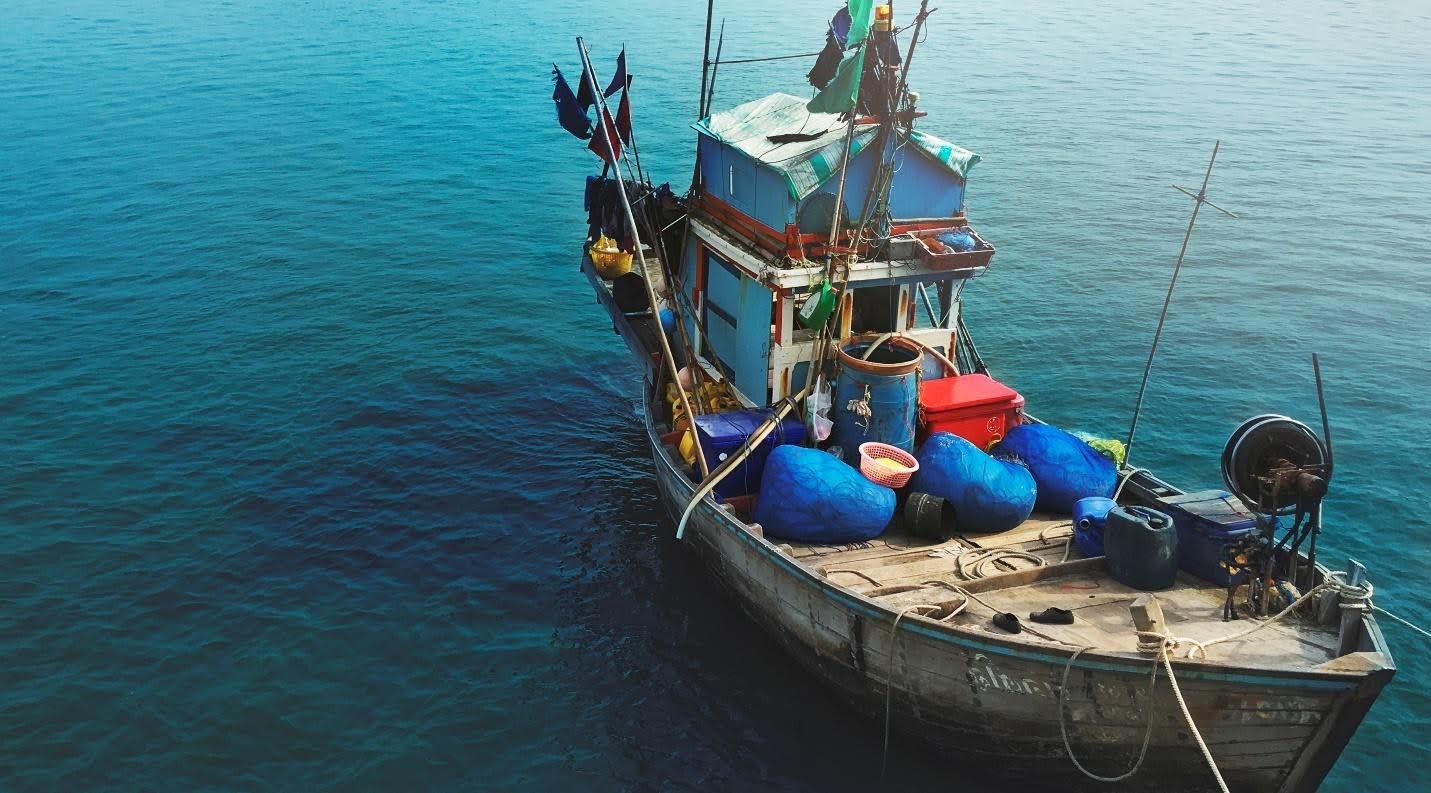
For many people, fishing can be a peaceful hobby. But offshore fishing is a different story. It allows you to venture further from shore into deeper waters where bigger fish, shifting tides, and a greater degree of skill are required.
Whether you’re new to fishing or even a seasoned fisherman, knowing how offshore fishing works and how fishing charters operate can help you get the most enjoyment out of your fishing experience. Here’s how to prepare for your first offshore fishing trip.
What Makes Offshore Fishing Different
Offshore fishing trips tend to be a few miles from shore, in contrast with coastal or inshore fishing. The goal is to get to the deeper ocean where fish such as tuna, marlin, and mahi-mahi can be found. This trip generally takes more time, often half a day or more. For most people, offshore trips aren’t feasible without charter services. That’s where offshore fishing charters can help.
The trip requires different equipment and techniques. The weather can also be more variable, so planning and expert advice are crucial.
Why Choose Offshore Fishing Charters
When it comes to offshore fishing charters, it’s worth noting that one size doesn’t fit all. Some are geared towards novices, with guided and leisurely trips, while others target those looking for particular species.
Think about the length of the trip, group dynamics, and the types of fish you want to catch. Inquire about inclusions; some charters include all equipment, others may require you to provide some supplies. Researching reviews and certifications can also help you choose a reliable company with excellent safety practices.
Charter services are there to offer a full-service offshore fishing experience, particularly for those who may not have their own means of travel or technical know-how. Charter services typically include a captain, crew, fishing equipment, bait, and safety equipment. This allows clients to enjoy the activity without worrying about the details.
What to Expect on the Day
Being well prepared is key to a great experience. It’s best to arrive early for most charters, as they tend to leave at times when the fishing is most likely to be good.
Safety instructions and some basic information will be provided. On board, the crew will help set up equipment, bait hooks, and explain the process. It’s all about patience. Remember, offshore fishing can be slow, but when you’re fishing, it can be intense.
Essential Items to Bring
Even if charters supply equipment, there are some things you need to bring for comfort and convenience:
- Sunscreen and protective clothing
- Wet weather footwear
- Sunglasses and a hat
- Anti-sickness pills, if necessary
- Snacks and water (if not included)
This will allow you to enjoy the trip without unnecessary discomfort.
Safety and Regulations
Safety is important when offshore fishing. Reliable service providers adhere to safety protocols, such as the use of life jackets, communication equipment, and weather monitoring.
In addition, it’s essential to understand fishing laws. There are often limits placed on species and catch, as well as licensing requirements. These are often managed by charters, but it’s good to know a bit about them. Adhering to these rules ensures conservation and preserves fish populations.